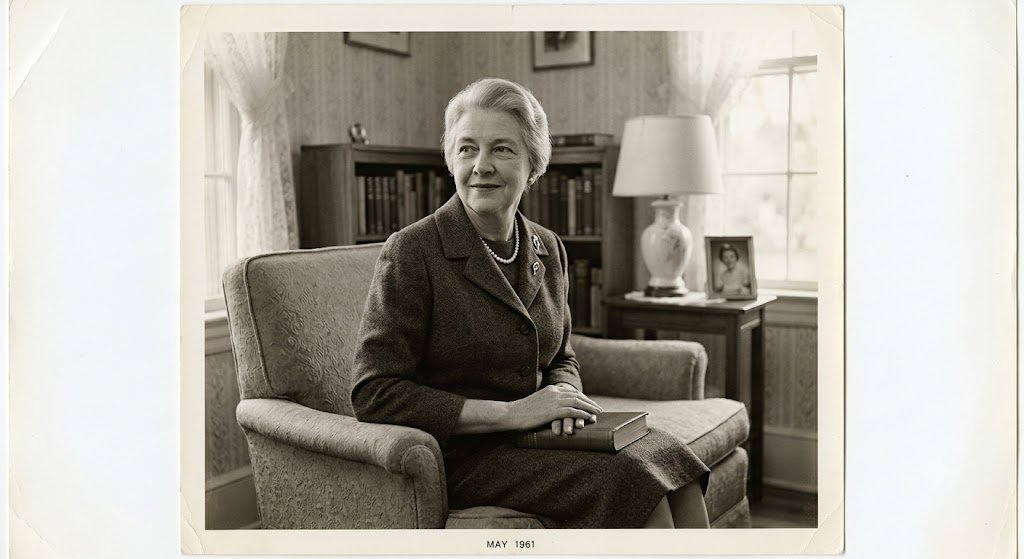

When history books recount the rapid rise of Black political leadership in the American South, the city of Memphis often serves as ground zero. At the epicenter of this historic shift stands the Ford family, a lineage that transformed local community activism into decades of federal representation. Yet behind the campaigns, speeches, and legislative victories sits an influential figure whose personal contributions are often overshadowed by her high-profile family: Dorothy Bowles Ford.
As the former wife of Congressman Harold Ford Sr. and mother to former Congressman Harold Ford Jr., Dorothy Bowles Ford played an indispensable role in shaping modern American political history. Her narrative is not merely that of a political spouse. It is the story of a dedicated public servant, a consumer advocate, and the quiet architect of a legacy that broke historical barriers.
To understand the trajectory of Black political empowerment in Tennessee, one must examine the life, career, and enduring impact of Dorothy Bowles Ford.
Early Life and Deep Roots in Memphis
To grasp the character of Dorothy Bowles Ford, one must look closely at Memphis during the mid-20th century. The city was a place of vibrant culture, deep spiritual roots, and intense social tension.
Growing up in this environment instills a unique resilience. Dorothy Bowles Ford developed a keen sense of community responsibility early in life. She witnessed firsthand the transformative power of civic engagement during the height of the Civil Rights Movement.
Memphis served as both a crucible and a launchpad. The city’s Black community built enduring institutions to combat systemic disenfranchisement. Local churches, fraternal organizations, and family-owned businesses formed the bedrock of social progress. It was within this environment of community solidarity that Dorothy Bowles Ford established the values that guided her personal and professional life.
Marriage to Harold Ford Sr. and the Birth of a Dynasty
In February 1969, Dorothy Bowles Ford married Harold Eugene Ford Sr. The marriage united two individuals driven by ambition and a shared commitment to community advancement.
At the time of their marriage, Harold Ford Sr. was preparing to enter the political arena. The Ford family already held considerable standing in Memphis through their successful funeral home business, N.J. Ford & Sons. However, entering public office required a distinct set of skills, relentless energy, and an unyielding support system at home.
       [N.J. Ford & Sons Funeral Home]
                     │
         (Community Foundation)
                     │
                     ▼
            [Harold Ford Sr.] ─── (m. 1969) ─── [Dorothy Bowles Ford]
                     │                                   │
                     └─────────────────┬─────────────────┘
                                       │
                      ┌────────────────┼────────────────┐
                      ▼                ▼                ▼
              Harold Ford Jr.   Newton Jake Ford   Sir Isaac Ford
During the early 1970s, Harold Ford Sr. launched a historic bid for the Tennessee State House of Representatives, later winning a seat in the U.S. House of Representatives in 1974. He became the first African American to represent Tennessee in Congress. Behind the scenes, Dorothy Bowles Ford provided the organizational grounding necessary to sustain a grueling political campaign.
Key Contributions During the Campaign Years:
-
Community Outreach: Organized grassroots meetings across Memphis neighborhoods to mobilize voters.
-
Event Coordination: Managed logistically complex fundraising events and political rallies.
-
Family Stability: Maintained a stable, grounded household while her husband navigated state and national politics.
Together, the couple had three sons: Harold Eugene Jr., Newton Jake, and Sir Isaac. Each child grew up immersed in the daily realities of public service, legislative policy, and civic obligation.
Professional Career at the U.S. Department of Agriculture
While her husband served in Congress, Dorothy Bowles Ford carved out her own distinct professional path. She resisted the expectation to remain solely a political figurehead, pursuing a meaningful career in public service.
Dorothy Bowles Ford worked for many years at the United States Department of Agriculture (USDA). Serving as a consumer advocate and administrative professional, she focused on issues that directly impacted everyday American families. Her role involved bridging the gap between federal food policy and community-level nutrition needs.
“Public service is not confined to elected office; it is demonstrated daily through dedicated administrative leadership and advocacy for vulnerable communities.”
Her tenure at the USDA reflected a deep commitment to consumer protection, food security, and administrative integrity. This professional independence allowed Dorothy Bowles Ford to establish an identity grounded in her own expertise rather than just her high-profile last name.
Raising a Historic Legacy: The Mother of Harold Ford Jr.
The true testament to the influence of Dorothy Bowles Ford lies in the upbringing of her children. Her eldest son, Harold Ford Jr., made national history in 1996 when he was elected to succeed his father in the U.S. House of Representatives at just 26 years old. This marked the first time in American history that an African American directly succeeded his parent in the U.S. Congress.
Raising children inside a political pressure cooker requires exceptional balance. Dorothy Bowles Ford emphasized academic excellence, personal humility, and moral integrity above political ambition.
| Metric / Aspect | Political Life | Household Focus Under Dorothy Bowles Ford |
| Primary Goal | Winning Elections | Character Building & Academic Rigor |
| Environment | Public Scrutiny | Safe, Private Family Grounding |
| Core Values | Policy & Rhetoric | Faith, Service, & Personal Accountability |
| Education Focus | Public Relations | Top-Tier Prep Schools & Ivy League Degrees |
She ensured her sons received top-tier educational opportunities, enrolling them in elite institutions like the St. Albans School in Washington, D.C. Her guidance helped Harold Ford Jr. navigate the halls of the University of Pennsylvania and the University of Michigan Law School before stepping onto the national political stage.
Navigating Washington D.C. and the Demands of Public Life
Moving from Memphis to Washington D.C. in the late 1970s brought significant lifestyle shifts. Life in the nation’s capital demanded constant adaptability. Dorothy Bowles Ford managed this transition while keeping her family anchored.
In Washington, she moved comfortably within policy circles while maintaining a focused home environment. The political landscape of the 1980s and 1990s presented numerous challenges, including intense media scrutiny and demanding congressional schedules.
Despite these external pressures, Dorothy Bowles Ford maintained a calm, steadfast presence. She actively supported her husband’s legislative career while ensuring her children remained insulated from unnecessary political noise.
       [Memphis Community Roots]
                   │
                   ▼
       [Transition to Washington D.C.]
                   │
     ┌─────────────┴─────────────┐
     ▼                           ▼
[Professional USDA Role]   [Family Stability & Education]
     │                           │
     └─────────────┬─────────────┘
                   │
                   ▼
       [Next-Generation Leadership]
The Transition: Divorce and Personal Resilience
After 30 years of marriage, Dorothy Bowles Ford and Harold Ford Sr. divorced in 1999. Navigating a public divorce after three decades in the political spotlight requires immense strength.
Throughout this personal transition, Dorothy Bowles Ford maintained her trademark dignity and privacy. She avoided public controversy and focused her energy on her adult children, grandchildren, and personal endeavors.
Her ability to handle personal life changes gracefully earned her deep respect from both political allies and community members in Memphis and Washington.
The Ford Family Tree: A Legacy of Representation
To appreciate the environment Dorothy Bowles Ford navigated, it is helpful to look at the broader Ford family network. The family remains one of the most prominent African American political dynasties in the United States.
               Newton Jackson Ford (Patriarch)
                             │
     ┌───────────────────────┼───────────────────────┐
     ▼                       ▼                       ▼
Harold Ford Sr.        John N. Ford            Emmitt Ford
(US Congressman)     (TN State Senator)     (TN State Rep)
     │
     ├─ (m. Dorothy Bowles Ford)
     │      │
     │      ├─ Harold Ford Jr. (US Congressman)
     │      ├─ Newton Jake Ford
     │      └─ Sir Isaac Ford
     │
     └─ (m. Michelle Roberts)
            │
            ├─ Andrew Ford
            └─ Ava Ford
Key Members of the Ford Political Lineage:
-
Newton Jackson Ford: Family patriarch who established N.J. Ford & Sons Funeral Home, laying the economic foundation for the family’s political rise.
-
Harold Ford Sr.: First African American U.S. Congressman from Tennessee, serving 11 consecutive terms (1975–1997).
-
Dorothy Bowles Ford: Matriarch, USDA professional, and key strategist behind the family’s educational and personal success.
-
Harold Ford Jr.: U.S. Congressman (1997–2007), Democratic Keynote Speaker, financial executive, and television commentator.
-
John N. Ford: Former Tennessee State Senator representing Shelby County.
-
Emmitt Ford: Former member of the Tennessee House of Representatives.
What Made Dorothy Bowles Ford Effective?
Analyzing the impact of Dorothy Bowles Ford reveals distinct leadership traits that contributed to her family’s success.
1. Strategic Discretion
In an era dominated by soundbites and political theater, Dorothy Bowles Ford recognized the value of discretion. She allowed her work and her children’s achievements to speak for themselves.
2. High Educational Standards
She understood early on that long-term influence requires rigorous preparation. By prioritizing top-tier education for her sons, she equipped them to excel in national political and corporate arenas.
3. Professional Autonomy
By maintaining a long career at the USDA, Dorothy Bowles Ford demonstrated that a political spouse can build an independent career while supporting a family.
4. Community-Centric Values
She remained deeply connected to her Memphis roots, ensuring her family never lost touch with the constituents they served.
The Enduring Legacy of Dorothy Bowles Ford
Today, the influence of Dorothy Bowles Ford lives on through her children and grandchildren. Her son Harold Ford Jr. remains a prominent voice in national political discourse, serving as a political analyst, financial executive, and university professor. Her other sons, Newton Jake and Sir Isaac, have built successful careers outside the political spotlight.
The story of Dorothy Bowles Ford reminds us that political history is not written solely on House floors or campaign trails. It is forged in homes, reinforced through public service, and sustained by leaders who do their work with grace and purpose.
For historians and analysts studying Black political power in America, Dorothy Bowles Ford stands as a foundational figure whose contributions deserve quiet admiration and enduring recognition.
Frequently Asked Questions (FAQ)
Who is Dorothy Bowles Ford?
Dorothy Bowles Ford is an American former public servant and consumer advocate who worked for the U.S. Department of Agriculture (USDA). She is best known as the former wife of long-serving U.S. Congressman Harold Ford Sr. and the mother of former U.S. Congressman Harold Ford Jr.
How many children does Dorothy Bowles Ford have?
Dorothy Bowles Ford has three sons with Harold Ford Sr.: Harold Ford Jr., Newton Jake Ford, and Sir Isaac Ford.
What was Dorothy Bowles Ford’s career?
While supporting her family’s political work, Dorothy Bowles Ford built a successful career at the United States Department of Agriculture (USDA) in Washington, D.C., working as a consumer advocate and administrative professional.
When did Dorothy Bowles Ford marry and divorce Harold Ford Sr.?
Dorothy Bowles Ford married Harold Ford Sr. on February 10, 1969. The couple was married for 30 years before divorcing in 1999.
What role did Dorothy Bowles Ford play in Harold Ford Jr.’s political career?
Dorothy Bowles Ford was instrumental in shaping Harold Ford Jr.’s early life, emphasizing educational excellence and civic duty. Her guidance helped him become the first African American to succeed his parent in the U.S. Congress in 1996.