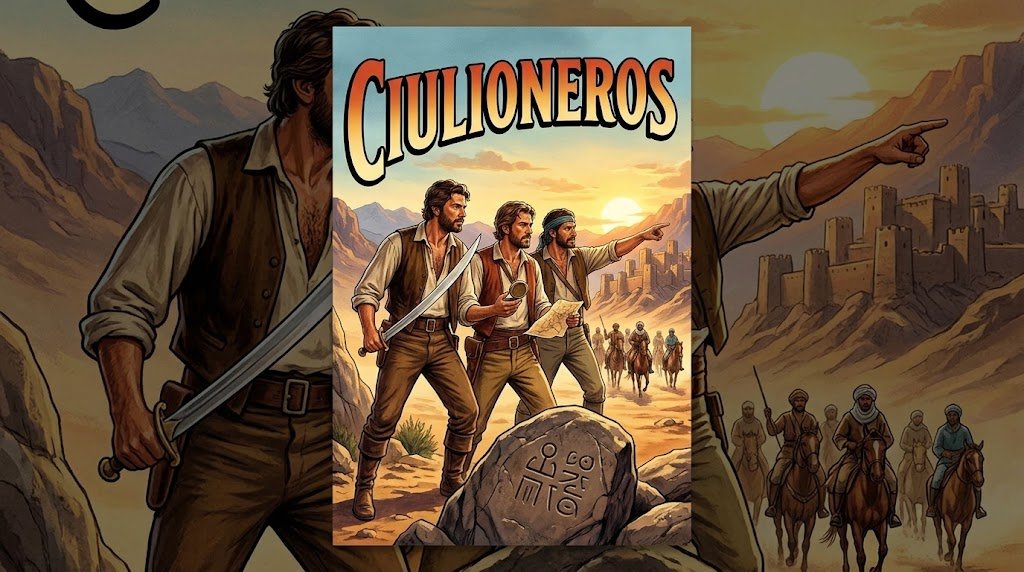

Ciulioneros represents a fascinating example of how communities preserve identity, memory, and traditions through generations. Often connected with cultural heritage, storytelling, and community pride, Ciulioneros reflects the relationship between people and the history that shaped them.
Behind the name is more than a simple label. It represents a collection of experiences, struggles, celebrations, and traditions passed from one generation to another. Like many cultural identities around the world, Ciulioneros developed through a combination of historical events, local customs, social changes, and the determination of communities to protect their roots.
Understanding Ciulioneros means looking beyond surface-level descriptions. It requires exploring the people, heritage, traditions, and values that give this identity its meaning.
What Are Ciulioneros? Understanding the Meaning Behind the Name
The term Ciulioneros is often associated with a unique cultural identity connected to community heritage and shared history. Different sources describe Ciulioneros through different cultural perspectives, including links to local traditions, storytelling, and historical experiences.
At its core, Ciulioneros represents people whose identity has been shaped by:
- Historical experiences
- Community traditions
- Cultural adaptation
- Family heritage
- Connection to land and environment
Cultural identities like this are rarely created overnight. They evolve slowly as communities respond to challenges, preserve important customs, and create new ways to express who they are.
A major reason Ciulioneros continues to attract interest is because it demonstrates how heritage can survive despite social changes. Traditions are not frozen pieces of history. They continue to grow.
The Historical Roots of Ciulioneros
Every cultural identity has a story behind it. The history of Ciulioneros is connected with generations of people who experienced transformation while maintaining strong connections to their origins.
Historical narratives surrounding Ciulioneros highlight themes of survival, adaptation, and cultural preservation. Communities often carry memories of important periods, including migration, social challenges, and changing political environments.
History plays a crucial role because it explains why certain traditions exist today.
For many communities, historical identity is preserved through:
- Oral storytelling
- Family traditions
- Local celebrations
- Traditional arts
- Food practices
- Music and performances
These elements act like living archives. They allow younger generations to understand where they came from.
How History Shaped Ciulioneros Identity
The identity of Ciulioneros was influenced by several important factors:
Community Survival
Communities often develop strong cultural bonds when facing difficult periods. Shared experiences create deeper connections between generations.
Cultural Mixing
Many heritage communities are shaped by different influences. Languages, beliefs, customs, and traditions often blend together over centuries.
Preservation Through Families
Families play a central role in protecting cultural knowledge. Stories told by grandparents, traditional recipes, and community celebrations help maintain identity.
Ciulioneros Cultural Heritage: Traditions That Keep History Alive
Cultural heritage is not only found in museums or historical documents. It exists in everyday life.
The importance of Ciulioneros comes from the way traditions continue to connect people with their past. Cultural heritage includes both physical objects and intangible elements such as language, rituals, knowledge, and customs.
Some important cultural expressions associated with heritage identities like Ciulioneros include:
- Traditional celebrations
- Music and dance
- Handcrafted artwork
- Local cuisine
- Community gatherings
- Historical storytelling
These traditions provide a sense of belonging.
The Role of Storytelling in Ciulioneros Culture
Stories are among the strongest tools for preserving identity.
Before written records became common, communities depended on storytelling to transfer knowledge. Elders shared lessons about history, values, and important events.
For Ciulioneros, storytelling represents more than entertainment. It works as a bridge between generations.
A single story can preserve:
- Family history
- Cultural values
- Historical struggles
- Community achievements
- Traditional beliefs
This is why cultural storytelling remains powerful even in modern society.
Why Ciulioneros Represents Cultural Resilience
One of the most important aspects of Ciulioneros is resilience.
Cultural resilience means the ability of a community to maintain its identity while adapting to change.
Many heritage communities face challenges such as:
- Globalization
- Loss of traditional knowledge
- Migration
- Changing lifestyles
- Reduced participation among younger generations
However, resilient communities find creative ways to keep traditions alive.
They use:
- Digital storytelling
- Cultural festivals
- Educational programs
- Tourism initiatives
- Community projects
The survival of Ciulioneros demonstrates that traditions can evolve without disappearing.
The Modern Importance of Ciulioneros
In the modern world, cultural identities face both opportunities and challenges.
Technology allows traditions to reach wider audiences. A cultural practice that once existed only within a small community can now be shared globally.
However, increased visibility also creates responsibility.
Preserving Ciulioneros requires balancing:
- Authenticity
- Respect
- Modern adaptation
- Community ownership
Cultural heritage should not become merely a product for visitors. It should remain meaningful for the people who carry it.
How Digital Platforms Help Preserve Ciulioneros Heritage
Modern technology has changed how cultural knowledge is shared.
Today, communities can preserve traditions through:
- Online archives
- Social media storytelling
- Digital museums
- Video documentation
- Virtual cultural experiences
These tools allow younger generations to reconnect with their heritage.
A teenager living far from their ancestral community can still learn traditional stories, understand historical events, and participate digitally.
Ciulioneros and the Importance of Community Identity
Identity is created through connection.
For many communities, heritage provides answers to important questions:
- Where do we come from?
- What values define us?
- What stories shaped our ancestors?
- What should we protect for future generations?
Ciulioneros represents this deeper relationship between individuals and collective memory.
Strong cultural identities encourage:
- Community cooperation
- Respect for history
- Pride in traditions
- Intergenerational learning
Challenges Facing Ciulioneros Heritage Today
Even meaningful traditions face challenges.
Some of the biggest threats include:
Loss of Traditional Knowledge
When older generations pass away without sharing their knowledge, valuable cultural information can disappear.
Modern Lifestyle Changes
Younger generations may move away or adopt different cultural practices.
Commercialization Risks
When traditions become tourist attractions, there is a risk that their original meaning may be reduced.
Protecting Ciulioneros requires careful preservation efforts that respect the community itself.
How People Can Support Ciulioneros Cultural Preservation
Anyone interested in protecting cultural heritage can contribute.
Practical ways include:
- Learning about the history behind traditions
- Supporting responsible cultural tourism
- Sharing educational content
- Respecting community ownership
- Encouraging younger generations to participate
Preservation does not mean keeping culture unchanged forever. It means allowing culture to continue naturally.
Frequently Asked Questions About Ciulioneros
1. What does Ciulioneros mean?
Ciulioneros refers to a cultural identity associated with heritage, community history, and traditions. The meaning depends on the cultural context where the term is used.
2. Why are Ciulioneros important?
Ciulioneros are important because they represent cultural preservation, community resilience, and the continuation of traditions across generations.
They show how people maintain their identity despite historical and social changes.
3. What traditions are connected with Ciulioneros?
Traditions connected with Ciulioneros may include storytelling, celebrations, cultural expressions, local customs, and community practices that preserve historical memory.
4. How can Ciulioneros heritage be preserved?
Preservation can happen through education, documentation, cultural events, digital archives, and encouraging younger generations to participate.
5. Why should people learn about Ciulioneros?
Learning about Ciulioneros helps people understand the importance of cultural diversity. Every community carries unique stories that contribute to global history and human understanding.
Conclusion: Protecting the Legacy of Ciulioneros
The story of Ciulioneros is ultimately a story about identity, memory, and resilience.
Culture survives because people choose to protect it. Traditions continue because communities pass knowledge forward. Stories remain alive because someone takes the time to share them.
As the world becomes increasingly connected, preserving unique cultural identities becomes more important than ever.
The best way to honor Ciulioneros is simple: learn about it, respect its history, support cultural preservation, and encourage future generations to value the traditions that connect humanity with its past.