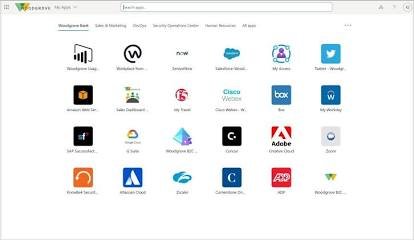

The myapps.microsoft.com login page is a central access point that allows users to sign in and open applications connected to their Microsoft account or organization. Whether you are a student accessing educational tools, an employee using workplace applications, or an administrator managing cloud-based services, the Microsoft My Apps portal provides a simple way to reach assigned applications from one secure location.
Many organizations use Microsoft Entra ID (formerly Azure Active Directory) to manage identity, authentication, and application access. Through the myapps.microsoft.com login portal, users can access Microsoft 365 services, business applications, productivity tools, and third-party software without remembering multiple passwords.
The platform is designed around a single sign-on (SSO) experience. Instead of visiting different websites and entering separate credentials, users authenticate once and gain access to approved applications based on their account permissions.
This guide explains everything about the myapps.microsoft.com login process, including how to sign in, what to do when access fails, security features, account management options, and common questions users ask.
What Is myapps.microsoft.com Login?
The myapps.microsoft.com login portal is Microsoft’s application access dashboard where users can view and launch applications assigned to their account.
It works as an application launcher connected to Microsoft identity services. After authentication, the portal displays available apps based on your organization’s configuration.
Users may see applications such as:
- Microsoft 365 apps
- Outlook
- Teams
- OneDrive
- SharePoint
- Word and Excel Online
- Enterprise software
- Learning platforms
- Internal company applications
- Cloud services connected through Microsoft Entra ID
The available applications depend on the permissions assigned by your company, school, or administrator.
For personal Microsoft accounts, the experience may differ because the My Apps portal is mainly designed for organizational accounts managed through Microsoft Entra ID.
How Does myapps.microsoft.com Login Work?
The login process uses Microsoft’s identity and authentication system to verify who you are before granting access to applications.
When you visit the portal, several security steps happen behind the scenes:
-
User identification
Microsoft asks for your email address, username, or organizational account ID.
-
Credential verification
Your password or authentication method is checked.
-
Security verification
If enabled, Microsoft may request additional verification through:
- Microsoft Authenticator app
- Security codes
- Phone verification
- Hardware security keys
-
Application authorization
After successful authentication, Microsoft checks which applications you are allowed to access.
-
Dashboard loading
Your personalized My Apps page appears with available services.
This process ensures that users only access applications approved for their account.
Step-by-Step Guide: How to Complete myapps.microsoft.com Login
Accessing the portal is straightforward. Follow these steps:
Step 1: Open the Microsoft My Apps Portal
Open your web browser and go to:
myapps.microsoft.com
Use a modern browser such as:
- Google Chrome
- Microsoft Edge
- Mozilla Firefox
- Safari
For the best experience, keep your browser updated.
Step 2: Enter Your Microsoft Account Details
On the sign-in page:
- Enter your work or school email address.
- Select Next.
- Enter your password.
Your account might look like:
Personal Gmail or general email addresses may not work unless they are connected to a Microsoft-managed account.
Step 3: Complete Multi-Factor Authentication
Many organizations require additional security verification.
You may receive a prompt through:
- Microsoft Authenticator
- SMS verification
- Email verification
- Security token
Approve the request or enter the provided code.
Multi-factor authentication helps prevent unauthorized access even if someone discovers your password.
Step 4: Open Your Applications
After successful myapps.microsoft.com login, you will see your application dashboard.
Simply select an app icon to launch the service.
Depending on your organization, you may also have options to:
- Search applications
- Add favorites
- View recently used apps
- Manage account settings
Benefits of Using the Microsoft My Apps Portal
The myapps.microsoft.com login system provides several advantages for both users and organizations.
1. Single Sign-On Convenience
One of the biggest benefits is reduced password management.
Instead of maintaining multiple login credentials, users can authenticate once and access multiple applications.
This improves productivity because employees spend less time searching for passwords or resetting accounts.
2. Improved Security Management
Organizations gain better control over application access.
Administrators can:
- Assign applications to specific users
- Remove access when employees leave
- Enforce security policies
- Monitor sign-in activity
- Require additional authentication
This identity-based security approach reduces unauthorized access risks.
3. Centralized Application Access
The My Apps portal creates one organized location for digital tools.
Employees no longer need to remember dozens of application URLs.
Everything appears in a personalized dashboard.
For large companies with many cloud services, this can significantly improve workflow efficiency.
myapps.microsoft.com Login for Work and School Accounts
The most common users of the My Apps portal are employees and students.
Organizations use Microsoft Entra ID to manage digital identities and resources.
Workplace Access
Businesses commonly connect applications such as:
- Microsoft Teams
- CRM systems
- HR platforms
- Project management tools
- Finance software
- Internal company portals
Employees receive access based on their job role.
For example:
- A finance employee may see accounting applications.
- A developer may see software development tools.
- A manager may access reporting dashboards.
Education Access
Schools and universities often use Microsoft accounts to provide students with learning resources.
Students may access:
- Microsoft Teams classrooms
- Online assignments
- Educational platforms
- Digital libraries
- Collaboration tools
The applications displayed depend on what the educational institution provides.
Common myapps.microsoft.com Login Problems and Solutions
Although the portal is reliable, users sometimes experience sign-in problems.
Below are the most common issues and fixes.
Incorrect Username or Password Error
One of the most frequent problems is entering incorrect credentials.
Try:
- Checking spelling of your email address
- Confirming you are using your work or school account
- Resetting your password if necessary
- Avoiding saved outdated passwords
If your organization manages your account, contact your IT department.
Account Does Not Have Access
Sometimes users can successfully sign in but cannot see applications.
Possible reasons include:
- The application was not assigned to your account
- Your license has expired
- Your administrator removed access
- You are using the wrong Microsoft account
Contact your administrator to confirm permissions.
Multi-Factor Authentication Problems
Authentication issues may happen when:
- Your phone number changed
- Microsoft Authenticator was removed
- You lost your device
- Approval notifications are not appearing
Solutions include:
- Checking your internet connection
- Opening the Authenticator app manually
- Updating security information
- Contacting your organization’s IT support
Browser Compatibility Issues
Sometimes browser settings interfere with authentication.
Try:
- Clearing browser cache
- Enabling cookies
- Disabling conflicting extensions
- Using Microsoft Edge
- Trying an incognito/private window
Is myapps.microsoft.com Login Safe?
Yes, the portal uses enterprise-grade Microsoft security technologies.
Microsoft protects accounts through several security layers, including:
- Encryption
- Identity verification
- Multi-factor authentication
- Conditional access policies
- Risk-based sign-in detection
However, users must still follow security best practices.
Never:
- Share your password
- Approve unknown login requests
- Click suspicious Microsoft login links
- Enter credentials on unofficial websites
Always verify that you are accessing the genuine Microsoft domain.
Best Security Practices for Microsoft My Apps Users
To keep your account protected:
Use Multi-Factor Authentication
MFA adds another security layer beyond passwords.
Even if your password is compromised, attackers usually cannot access your account without the second verification method.
Create a Strong Password
A secure password should:
- Be unique
- Avoid personal information
- Include multiple character types
- Not be reused across websites
Review Account Activity
Microsoft provides security information that can help users identify unusual activity.
Check for:
- Unknown sign-ins
- Unexpected locations
- Suspicious devices
Report anything unusual immediately.
Keep Recovery Information Updated
Make sure your account has current:
- Phone number
- Backup email
- Authentication methods
This makes account recovery easier.