
Introduction
Webmail comporium.net is the online email platform provided by Comporium, allowing customers to access their email accounts through a web browser without installing additional software. Whether you’re checking messages from home, traveling, or using a shared computer, the webmail service offers convenient access to your inbox from almost any internet-connected device.
This article explains how webmail comporium.net works, how to log in safely, the features available, common login problems, email setup for desktop and mobile applications, security best practices, and practical tips that many users overlook.
What Is Webmail Comporium.net?
Webmail comporium.net is Comporium’s browser-based email service for customers with a Comporium email account. Instead of relying on software like Microsoft Outlook or Mozilla Thunderbird, users can read, send, organize, and manage email directly through a web browser.
Because the service runs online, your mailbox remains synchronized across devices. Emails you read or delete in webmail typically remain consistent when accessed through other configured devices.
Common uses include:
- Reading and sending emails
- Managing folders
- Searching old messages
- Accessing contacts
- Organizing messages
- Managing spam
- Updating mailbox settings
About Comporium
Comporium is a regional telecommunications company serving customers primarily in parts of South Carolina and North Carolina. The company provides services including:
- Internet
- Fiber broadband
- Television
- Phone services
- Business communications
- Managed IT solutions
- Email accounts for eligible customers
Many long-time internet subscribers continue using their Comporium email address for personal and professional communication.
How Webmail Comporium.net Works
Unlike desktop email software, webmail stores your mailbox on the provider’s servers.
The process is straightforward:
- Open the webmail login page.
- Enter your email address or username.
- Type your password.
- Authenticate successfully.
- Access your mailbox through your browser.
Since the email data stays on the server, users can log in from different computers without transferring messages manually.
Main Features of Webmail Comporium.net
Although interfaces change over time, users can generally expect features such as:
Email Management
- Send emails
- Receive emails
- Reply
- Reply All
- Forward
- Delete messages
- Archive messages
Folder Organization
Users can organize messages into folders for:
- Work
- Family
- Bills
- Shopping
- School
- Personal records
Folders reduce inbox clutter and improve long-term organization.
Search Function
Most modern webmail interfaces include search tools that allow users to find messages by:
- Sender
- Subject
- Keywords
- Date
- Attachments
This becomes especially valuable for users with years of stored emails.
Spam Filtering
Automatic spam detection helps reduce unwanted emails by moving suspicious messages into a junk or spam folder.
Contacts
The built-in address book allows users to:
- Save contacts
- Edit contact information
- Group contacts
- Auto-complete recipient names
Attachment Support
Users can send and receive common file types, including:
- Word documents
- Excel files
- Images
- ZIP archives
Attachment size limits depend on current server policies.
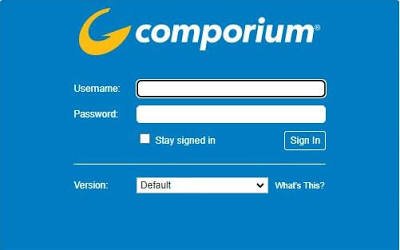
How to Log In to Webmail Comporium.net
Logging in generally involves these steps:
- Open the official Comporium webmail page.
- Enter your complete email address.
- Enter your password.
- Click the Sign In button.
- Wait for authentication.
If the credentials are correct, the inbox opens immediately.
Always confirm you’re using the official Comporium website before entering your password.
Login Problems and Their Solutions
Many login issues have simple causes.
Incorrect Password
Typing errors remain the most common reason for failed logins.
Check for:
- Caps Lock
- Keyboard language
- Extra spaces
- Recently changed passwords
Forgotten Password
If you’ve forgotten your password:
- Use Comporium’s password recovery process if available.
- Contact customer support if self-service recovery isn’t possible.
- Verify your account ownership.
Browser Problems
Sometimes the browser causes login failures.
Try:
- Clearing cache
- Clearing cookies
- Updating the browser
- Trying another browser
- Using private browsing mode
Server Maintenance
Occasionally the email platform may be temporarily unavailable because of scheduled maintenance or unexpected outages.
Waiting a short time before trying again may resolve the issue.
Internet Connection Issues
A weak internet connection can interrupt the login process.
Verify:
- Wi-Fi connection
- Mobile data
- Router status
- Other websites loading normally
Webmail vs Desktop Email Applications
| Feature | Webmail Comporium.net | Desktop Email Client |
|---|---|---|
| Installation | None | Required |
| Access Anywhere | Yes | Depends on setup |
| Browser Needed | Yes | No |
| Offline Reading | Limited | Usually available |
| Automatic Updates | Yes | Software updates required |
| Device Synchronization | Yes | Depends on protocol |
| Local Storage | Minimal | Often extensive |
For occasional users, webmail is usually the easiest choice.
Frequent business users may prefer a desktop application with offline access.
Setting Up Comporium Email in an Email App
Many users choose to connect their Comporium email account to applications such as:
- Microsoft Outlook
- Apple Mail
- Thunderbird
- Android Mail
- iPhone Mail
Typical configuration requires:
- Incoming mail server
- Outgoing mail server
- Username
- Password
- Port numbers
- Encryption settings
Because these settings occasionally change, users should always refer to Comporium’s official support documentation instead of relying on outdated online tutorials.
Mobile Access
Most users check email primarily on smartphones.
Webmail comporium.net can usually be accessed through:
- Android browsers
- iPhone Safari
- Chrome
- Edge
- Firefox
Users may also configure supported email apps for a more integrated experience.
Security Tips for Webmail Comporium.net
Protecting an email account is just as important as accessing it.
Consider these best practices.
Use a Strong Password
A secure password should:
- Be unique
- Include upper and lowercase letters
- Include numbers
- Include symbols
- Avoid dictionary words
Never reuse passwords across multiple websites.
Log Out on Shared Computers
When using:
- Libraries
- Schools
- Hotels
- Internet cafés
- Public computers
Always log out completely before leaving.
Closing the browser alone may not end the session.
Watch for Phishing Emails
Fraudulent emails often attempt to steal login credentials.
Common warning signs include:
- Urgent threats
- Requests for passwords
- Suspicious links
- Unexpected attachments
- Poor grammar
When unsure, access your account directly through the official website instead of clicking email links.
Keep Devices Updated
Operating system updates often include security improvements that help protect email accounts.
Install updates regularly.
Use Secure Networks
Avoid logging into important accounts over unsecured public Wi-Fi whenever possible.
If public Wi-Fi is unavoidable, ensure websites use encrypted HTTPS connections.
Common Email Problems Beyond Login
Even after signing in successfully, users sometimes experience other issues.
Emails Not Sending
Possible causes include:
- Large attachments
- Temporary server issues
- Incorrect outgoing server settings
- Internet interruptions
Missing Emails
Check:
- Spam folder
- Trash folder
- Archive folder
- Filters
- Forwarding rules
Messages are often automatically moved by existing filters.
Storage Limits
Every mailbox has storage limitations.
A nearly full mailbox can cause:
- Delivery failures
- Receiving delays
- Sending restrictions
Regularly deleting unnecessary messages and large attachments helps maintain available space.
Organizing Your Inbox Efficiently
Many users never move beyond a cluttered inbox.
Simple organization methods include:
Create Meaningful Folders
Examples include:
- Banking
- Utilities
- Medical
- Receipts
- Taxes
- Family
- School
Use Search Instead of Manual Browsing
Searching by:
- Subject
- Sender
- Date
can save significant time.
Delete Old Spam
Spam folders sometimes accumulate thousands of messages.
Emptying them periodically improves mailbox management.
Frequently Overlooked Practices That Improve Your Email Experience
Many articles explain how to log in but ignore habits that make email easier to manage over the long term.
Keep a Recovery Email Updated
If available, maintaining a current recovery email or recovery phone number can significantly simplify password recovery.
Export Important Contacts
Users who have relied on the same email account for years should occasionally export or back up their contacts. This precaution makes future migrations easier if they ever change providers.
Review Automatic Forwarding Rules
Sometimes emails appear to disappear because forwarding rules send them elsewhere. Reviewing mailbox rules periodically can uncover problems that are otherwise difficult to diagnose.
Watch Mailbox Quotas
People often focus only on their inbox, forgetting that large attachments in Sent, Trash, or Archive folders also count toward storage limits.
Understand Browser Sessions
Remaining signed in on multiple devices can occasionally create confusion about whether messages have been read or moved. Logging out of unused sessions improves both security and account management.
These small habits often prevent problems before they occur.
Privacy Considerations
Email contains highly sensitive personal information.
Users should avoid:
- Sharing passwords
- Saving passwords on public computers
- Opening unknown attachments
- Downloading files from suspicious senders
Even legitimate-looking emails can be fraudulent.
When to Contact Comporium Support
Some situations require direct assistance.
Examples include:
- Locked accounts
- Password recovery failures
- Suspected account compromise
- Persistent sending problems
- Missing mailbox data
- Technical server errors
Providing accurate account information helps customer support resolve issues more efficiently.
Frequently Asked Questions
Is webmail comporium.net free?
It is generally available to eligible Comporium customers who receive an email account with their internet or communication services. Availability depends on your specific account and service package.
Can I access webmail comporium.net from any computer?
Yes. Since it is browser-based, you can usually sign in from most computers with an internet connection. Always log out when using a shared or public device.
Why can’t I log into my Comporium email?
Common reasons include an incorrect password, browser cache issues, internet connectivity problems, account lockouts, or temporary server maintenance. Checking each possibility systematically usually identifies the cause.
Can I use my Comporium email in Outlook or Apple Mail?
Yes. Many users configure their Comporium email account with desktop or mobile email applications. Use the official server settings supplied by Comporium to ensure proper synchronization and security.
What should I do if I receive suspicious emails?
Do not click unknown links or download unexpected attachments. Delete obvious phishing messages and report suspicious activity if you believe your account has been compromised.
Does deleting an email in webmail remove it everywhere?
If your devices synchronize using modern mail protocols, deleting a message in webmail typically removes it from other synchronized devices as well. Behavior may differ depending on your specific email configuration.
How often should I change my email password?
There is no fixed schedule for everyone. Change it immediately if you suspect unauthorized access, after a known data breach affecting reused passwords, or whenever your password no longer meets current security standards.
Conclusion
Webmail comporium.net provides a convenient way for Comporium customers to access their email securely through a web browser without installing additional software. Beyond simply logging in, understanding account security, mailbox organization, storage management, and proper troubleshooting can make the service far more reliable. By following good password practices, keeping recovery information current, and using official Comporium settings when configuring email applications, users can maintain secure and dependable access to their email for years to come.